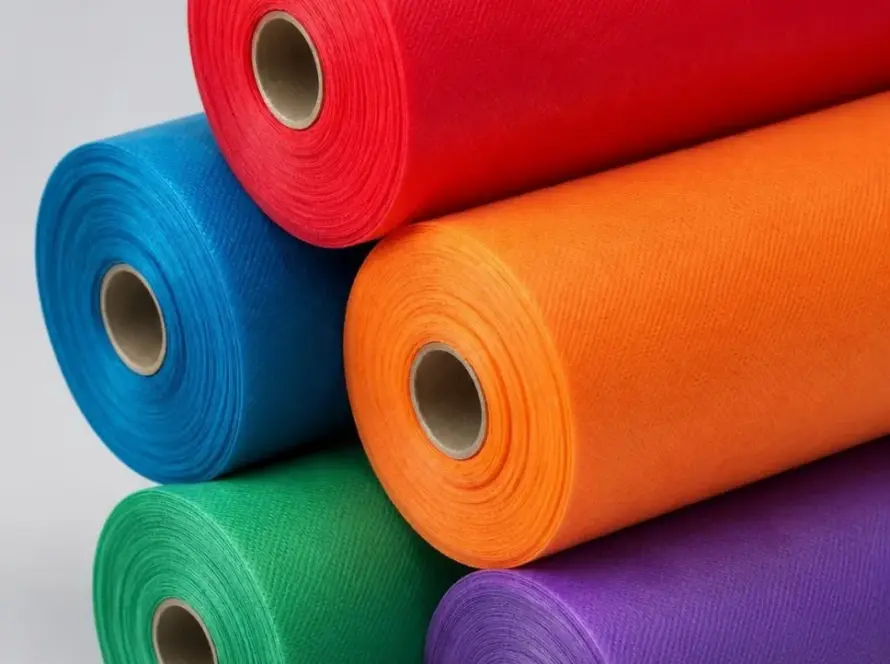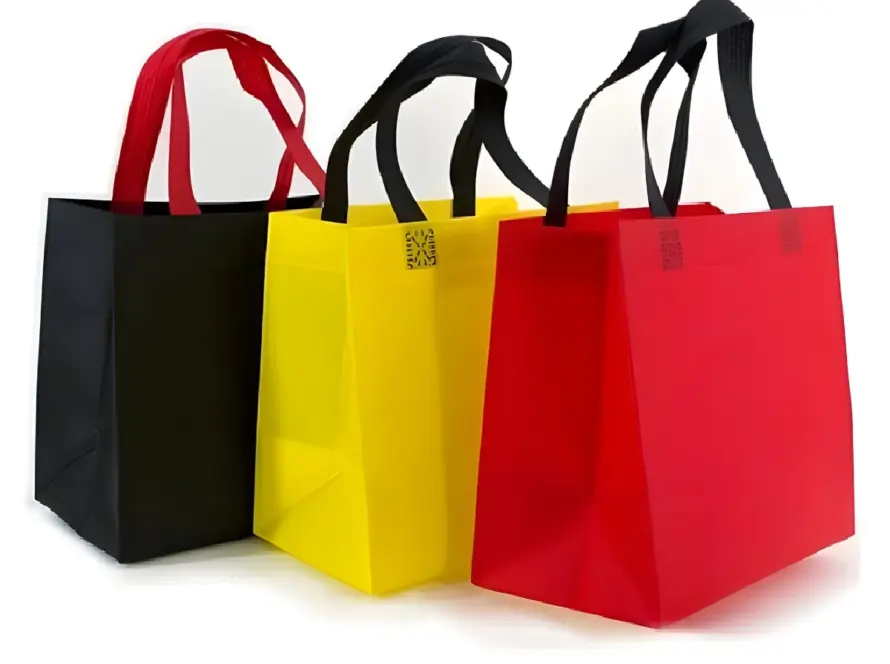

Non-woven shopping bags are one of the biggest uses of PP spunbond fabric. Choosing the right fabric decides how strong your bag is, how it looks after printing and how much it costs to make. This guide covers the three choices every bag maker has to make: GSM, color and finish.
Why spunbond PP fabric is used for bags
- Strong for its weight and resistant to tearing
- Can be sewn, heat-sealed or ultrasonically welded
- Available in almost any color
- Accepts screen printing and other printing methods
- Reusable and lighter than woven fabric
Choosing the right GSM
| Bag type | Typical GSM |
|---|---|
| Light promotional or gift bags | 50 – 60 GSM |
| Standard D-cut and W-cut shopping bags | 60 – 80 GSM |
| Loop-handle and box bags for retail | 70 – 90 GSM |
| Heavy-duty grocery and reusable bags | 90 – 120 GSM |
These are common starting points. The right weight also depends on bag size, the load it must carry and your customers’ expectations, so test samples before a bulk order. See our GSM guide for more detail.
Color
White and standard colors are usually the most economical. Brand colors can be matched with a color reference, but small quantities of special colors may cost more. Ask for a color sample and approve it before production.
Finish and printing
- Printing: spunbond fabric takes screen printing well; a smoother, more even fabric gives sharper prints.
- UV stabilization: useful if bags will be stored or used outdoors for long periods.
- Roll width: choose a width that fits your bag pattern to reduce waste when cutting.
Checklist before you order
- Bag type, size and weight it must carry
- GSM and width
- Color (with reference)
- Printing method
- Roll length, core size and monthly quantity
Bag fabric from Speed Fabric
Speed Fabric Ltd. manufactures PP spunbond nonwoven fabric in Bangladesh from 15 to 190 GSM, in custom colors and widths for bag makers.