
Polypropylene nonwoven fabric naturally repels water. For some products that is exactly what you want; for others, the fabric must let liquid pass through. That is the difference between hydrophobic and hydrophilic nonwoven fabric.
Hydrophobic nonwoven fabric
Standard PP spunbond fabric is hydrophobic: water and other liquids bead up on the surface instead of soaking in.
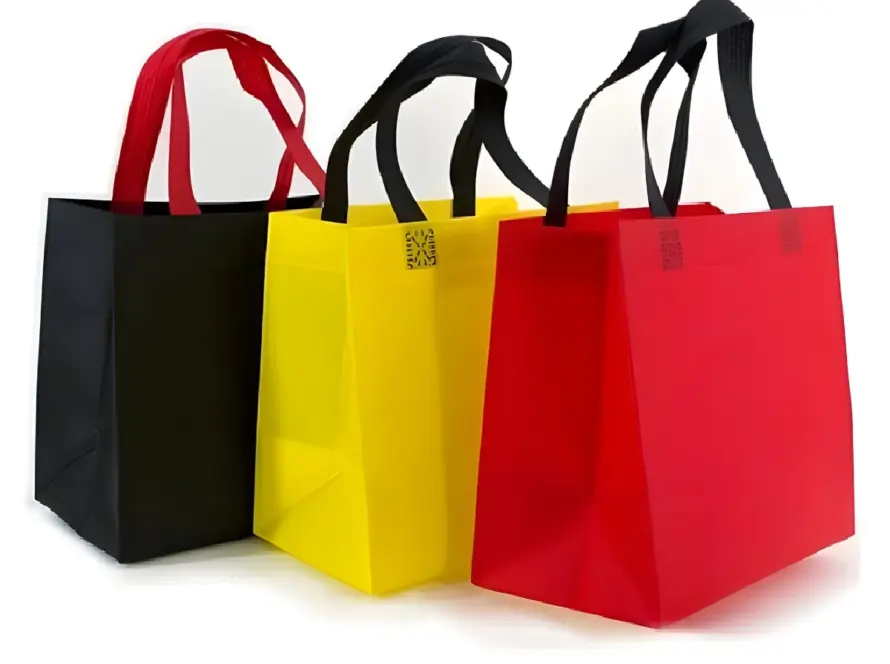
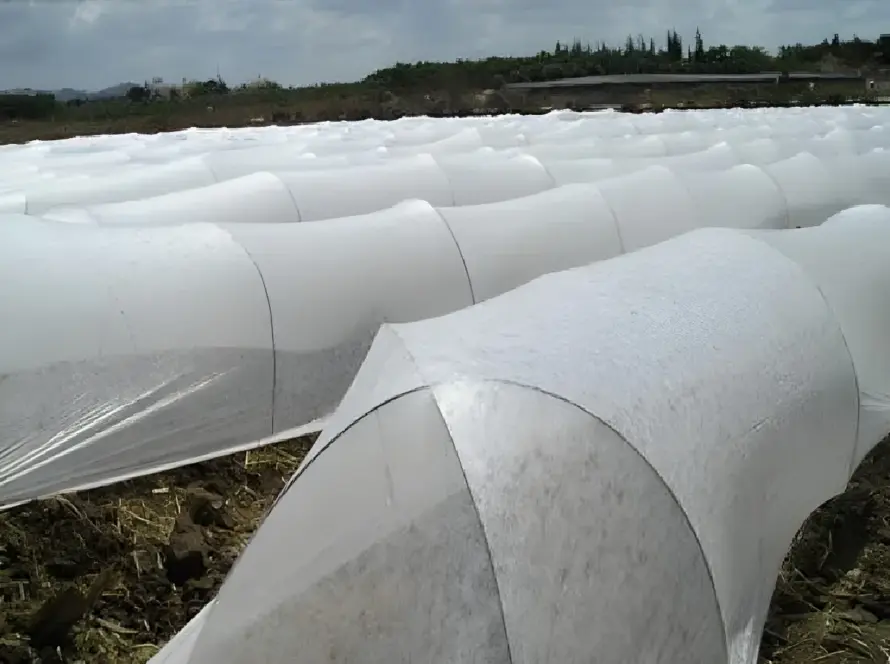
Typical uses: outer layers of hygiene products, shoe covers, packaging, furniture lining, agriculture covers and other products that should stay dry.
Hydrophilic nonwoven fabric
Hydrophilic fabric is treated so liquid passes through quickly. This is usually done by adding a hydrophilic agent during production or by applying a finish to the fabric.
Typical uses: the top sheet of diapers and sanitary pads, wipes, and other products where liquid must move through the fabric.
Quick comparison
| Hydrophobic | Hydrophilic | |
|---|---|---|
| Reaction to water | Repels | Absorbs / lets through |
| Treatment | None (natural PP) | Hydrophilic agent or finish |
| Common uses | Covers, packaging, bags, outer layers | Hygiene top sheets, wipes |
What to tell your supplier
- Whether you need hydrophilic or standard fabric
- The GSM and width
- Whether the hydrophilic effect must last through several wettings
- Your end product, so the supplier can recommend the right treatment
Not sure which GSM fits? Read our GSM guide.